

Tu lista de deseos está vacía
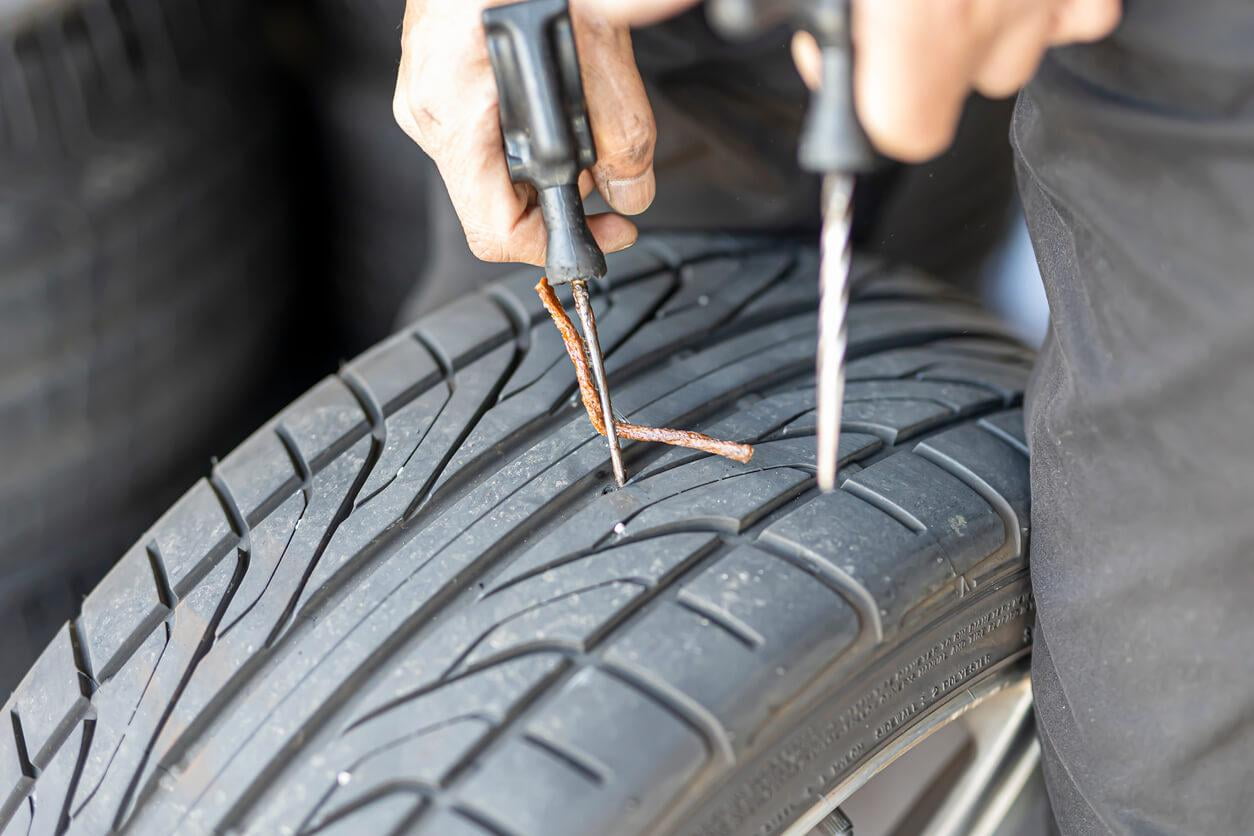
Tire Repair in Philadelphia, Pennsylvania
Philadelphia’s roads are notorious for their challenging conditions, with potholes and uneven surfaces lurking around every corner. Heavy traffic on Roosevelt Boulevard or the narrow streets of Center City creates a constant demand for tire repair in Philadelphia. Keeping tires in good condition becomes more than a matter of comfort. It’s an essential necessity for every resident of this metropolis. Professional service helps extend tire life and saves money for car owners.
Specialized tire repair shops offer a wide range of tire restoration services. The quality of the work determines how long a repaired tire will last and how confidently a car will handle on the road. Understanding the nuances of tire repair allows drivers to make informed decisions and avoid paying for unnecessary services. The local market is saturated with options, but not all meet high-quality standards.
Why Timely Tire Repair Is Critical for Your Safety
Tires are the only point of contact between your vehicle and the road, making their condition vital for safe handling. The contact patch of each tire is roughly the size of a human palm, meaning all steering, braking, and acceleration forces must pass through these small areas. Even minor damage, such as a small nail puncture or a slight bulge, compromises the structural integrity of the tire and reduces traction, especially on wet surfaces or during emergency braking maneuvers. Ignoring small punctures often leads to an emergency tire repair situation or catastrophic failure at highway speeds, as the internal structure of the tire gradually weakens under load.
According to National Transportation Safety Board (NTSB) data, tire failures contribute to over 600 deaths and 19.000 injuries on U.S. roads annually. High-speed blowouts are particularly dangerous because they rob drivers of control instantly, often leading to rollovers or collisions with oncoming traffic. Professional tire repair service significantly reduces these risks by identifying potential failure points, ensuring safety for all road users.
Beyond immediate safety concerns, driving on damaged or improperly balanced tires harms the vehicle’s mechanical health over time. Proper tire balancing and repair prevents vibrations from transmitting through the wheels to the chassis, where they accelerate wear on wheel bearings. Regular maintenance and the elimination of minor defects are far more cost-effective than major restoration of the vehicle’s chassis, serving as a vital investment in long-term vehicle reliability and value.
Tire condition also directly impacts fuel efficiency and operating temperatures. Underinflated tires increase rolling resistance, forcing the engine to work harder and consume more fuel to maintain speed. Furthermore, damaged tires tend to overheat due to air penetrating the cord layers and causing friction between internal components. This heat accelerates the deterioration of the rubber compound and increases the risk of a sudden blowout. Maintaining proper pressure and tire integrity ensures both financial savings and operational safety in every driving condition.
What to Look For in a Local Tire Service Provider
Selecting a reliable tire service in Philadelphia involves evaluating several key criteria to ensure your vehicle is in good hands. Professional certifications, such as those from the National Institute for Automotive Service Excellence (ASE), are essential indicators of technician competence and adherence to modern industry standards. A qualified professional understands the physics involved in tire repair rather than simply applying a quick fix.
They follow strict technical procedures that preserve the tire’s speed rating and load-carrying capacity.
When searching for a trustworthy tire place near me, look for transparency in pricing and operations, which distinguishes high-quality providers. Honest service advisors explain the full scope of work upfront and justify each necessary step before work begins. A reputable shop will often show you the damage firsthand and explain the pros and cons of the chosen repair method. Avoiding hidden fees and aggressive upselling is crucial for building long-term customer trust and satisfaction.
The quality of technical equipment at any tire repair shop nearby also dictates the final result and the safety of your vehicle. Modern tire mounting machines are designed to eliminate the risk of damaging expensive rims, while computerized balancing stands ensure perfectly smooth operation at all speeds. This precision is especially important for modern vehicles equipped with low-profile or large-diameter tires, where even a slight imbalance can cause noticeable vibration. Additionally, a shop’s longevity in the market often indicates a stable reputation and extensive experience with non-standard problems.
Watch for these warning signs of low-quality service when visiting a center:
- Lack of torque wrenches for final tightening, which risks damaging wheel studs or warping brake rotors.
- Promoting a quick tire fix near me using external “string” plugs without dismounting the tire for internal inspection.
- A disorganized workspace where tools and old parts are scattered on the floor.
- Refusal to provide warranties, official receipts, or documentation for the work performed.
- Use of outdated or rusty equipment that looks unreliable and could damage your wheels.
- Lack of transparency regarding the nature of the damage or aggressive pushing of unnecessary new tires without objective grounds.
Choosing the right automotive service partner ensures road safety and long-term vehicle health. Professional service pays off through enhanced comfort, better handling, and peace of mind on the road.
Most Common Tire Problems and How They're Fixed
Incorrect tire pressure is a frequent issue that leads to premature wear and increased fuel consumption. An underinflated tire generates excessive heat and wears faster on the edges, while an overinflated tire loses traction and suffers accelerated wear in the center of the tread. While modern vehicles feature Tire Pressure Monitoring Systems (TPMS) to warn of sudden air loss, manual checks remain essential as sensors may not detect slow, gradual leaks immediately. Regular monitoring is vital to compensate for Philadelphia’s extreme temperature fluctuations. Checking tire pressure at least once a month is recommended.
Uneven tread wear often signals underlying issues with wheel alignment or balancing. If a vehicle pulls to one side or the steering wheel sits crooked while driving straight, urgent alignment diagnostics are required to prevent a brand-new tire from becoming unusable in just a few thousand miles. Similarly, mechanical damage from sharp pothole edges or road debris requires immediate professional intervention. Technicians use specialized vulcanization methods to restore the tire’s structure, provided the damage is within the repairable tread zone. These methods are superior to a simple tire fix.
Tread wear that reaches the 1.6 mm limit critically reduces the tire’s ability to channel water, significantly increasing the risk of hydroplaning at moderate speeds. Once the built-in wear indicators become flush with the tread surface, the tire is no longer safe for wet weather driving and must be replaced. Additionally, persistent steering vibrations are often caused by lost balancing weights or minor rim deformation, which can usually be corrected through professional cleaning and rebalancing.
Certain types of damage render a tire unrepairable due to severe safety risks:
- Punctures in the shoulder zone or sidewall, where the tire flexes most during driving.
- Long cuts or gashes exceeding 6 mm that cannot be reliably sealed with a patch.
- Evidence of driving on a flat tire, such as crumbled rubber particles inside the carcass.
- Exposed or broken steel cord layers, which lead to internal corrosion and instability.
- Age-related cracks and dry rot indicating that the rubber compound has lost its elasticity.
Seasonal factors also play a significant role in tire health and performance. In winter, standard rubber loses elasticity, increasing the risk of cracks when hitting obstacles. Conversely, summer heat softens the compound, making tires more vulnerable to cuts from sharp stones and accelerated tread wear. Switching to seasonal tires improves handling and extends the service life of both your summer and winter tire sets.
Rolls Auto Sales Tire Repair Shops in Philadelphia
For residents seeking tire repair near me, Rolls Auto Sales offers a professional approach to tire service.
Our facilities are equipped with the latest tire mounting technology, allowing us to handle everything from standard passenger tires to complex low-profile and large-diameter rims without any risk of surface damage. Our team of experienced technicians strictly adheres to industry-standard technological procedures, ensuring that every repair is both durable and safe for high-speed driving.
We understand the need for convenient tire service near me, which is why we prioritize efficiency and convenience. Our service centers are strategically located for easy access, and we offer flexible scheduling to fit your needs. While your vehicle is being serviced, you can relax in our comfortable waiting area, complete with free high-speed Wi-Fi and amenities. Our transparent pricing model ensures there are no hidden costs, and our comprehensive warranty provides peace of mind long after you leave our shop.
Tire Repair Process Steps
The tire puncture repair process begins with a comprehensive inspection of the entire wheel assembly. Technicians remove the wheel from the vehicle to check both internal and external surfaces for hidden structural damage that could make a simple repair dangerous. They assess the tread depth, check for uneven wear patterns, and verify the overall integrity of the rubber compound. Only after confirming the tire is a safe candidate for restoration does the technician proceed to the next technical stage.
To ensure a reliable tire puncture fix, the second stage involves the careful removal of the foreign object, such as a nail or screw. A specialized spiral reamer is used to clear debris, followed by an abrasive tool to create a rough surface on the inner liner. This preparation is critical for ensuring a strong chemical bond between the repair material and the tire’s internal rubber layers. Removing oxidized rubber and contaminants ensures that the patch will remain airtight for the remaining life of the tire.
For drivers looking for a quality tire patch near me, the core of our repair is the combined “mushroom” (patch-plug) method. This approach simultaneously fills the puncture channel with a rubber stem and reinforces the inner liner with a wide, reinforced cap. Vulcanizing cement is applied to create a monolithic bond, effectively making the repair part of the tire’s structure. This method is the only one recognized by safety organizations for ensuring long-term reliability. Following the repair, the wheel is balanced on a computerized stand that compensates for both static and dynamic imbalances, eliminating vibrations and protecting wheel bearings.
The process concludes with a final safety inspection and pressure test. The tire is inflated to the manufacturer-recommended PSI and tested using a specialized leak detector solution to confirm a perfect seal. Technicians also verify the integrity of the valve and the bead seating against the rim. Once cleared, the wheel is reinstalled on the vehicle, with every bolt tightened using a calibrated torque wrench to prevent warping or stripping. This systematic approach ensures that Rolls Auto Sales customers drive away with complete confidence in their vehicle’s safety.
Tire Repair Cost in Philadelphia: What to Expect
Understanding the local pricing structure for tire repairs helps Philadelphia car owners plan maintenance budgets and avoid unexpected costs. Market rates can vary significantly depending on the repair method chosen, the type of tire being serviced, and the overall level of professional expertise provided by the shop. While searching for cheap tire repair is tempting, investing in a quality repair is a better strategy for long-term safety and tire longevity. We always recommend requesting a detailed estimate before work begins to ensure complete transparency regarding labor and material costs.
Price Range for Common Repair Types
Those searching for tire puncture repair near me will find that standard restoration using the “mushroom” method typically costs between $20 and $45 per tire in the Philadelphia area. This all-inclusive rate generally covers the removal of the wheel from the vehicle, the dismounting of the tire from the rim, the use of high-grade vulcanizing consumables, and a final computerized balancing session. This price point is considered a fair market rate for a service that restores the tire to its original safety specifications and often includes a limited-time warranty.
Owners of high-performance sports cars or luxury SUVs should expect to pay a premium for specialized tire service. Repairing low-profile tires, Run-Flat models, or wheels with large-diameter rims (20 inches and above) typically falls in the $40 to $75 range. These tires require specialized mounting equipment with protective plastic heads and a higher level of technician expertise to avoid damaging expensive alloy rims or sensitive internal TPMS sensors. Conversely, the cost of plugging a tire with an external string is as little as $10 to $20, but this is considered a temporary emergency fix.
Factors That Affect Tire Repair Pricing
Several key factors influence the final cost of flat tire repair near me. The complexity of the puncture and the quality of the materials used are paramount; premium brands like Tech International or Rema Tip Top offer superior reliability but carry a higher price tag. The specific type and size of the tire also play a major role. For instance, the stiff sidewalls of Run-Flat tires significantly complicate the mounting process, often adding $10 to $30 in labor charges. Similarly, large off-road tires require more physical effort and additional balancing weights, which is reflected in the final bill.
The location of the service center within Philadelphia also impacts pricing. Shops located in high-rent areas like Center City or upscale neighborhoods often have higher overhead costs, which can translate to an additional $5 to $20 on the average bill compared to facilities in industrial zones or the city periphery. Furthermore, seasonality can affect labor rates; during peak tire-change seasons in the spring and fall, some centers may adjust their pricing or have limited availability. Planning your maintenance during off-peak periods is a great way to save money and avoid long wait times.
Additional specialized services can further adjust the final bill:
- TPMS system maintenance, including sensor reprogramming or seal replacement ($5-$15 per tire).
- Rim bead cleaning to remove corrosion and ensure an airtight seal ($10-$30).
- Mobile tire repair near me: dispatch for on-site roadside assistance ($30-$75 service fee).
- Environmental disposal fees for old tires that are beyond repair ($3-$5 per unit).
- Replacement of seized lug nuts or damaged wheel studs discovered during removal.
By finding the closest tire repair to me that offers fair terms, Philadelphia drivers can accurately estimate their upcoming tire service expenses. Establishing a transparent relationship with a trusted local provider ensures that your vehicle remains safe and your maintenance costs remain predictable over the long term.