

Tu lista de deseos está vacía
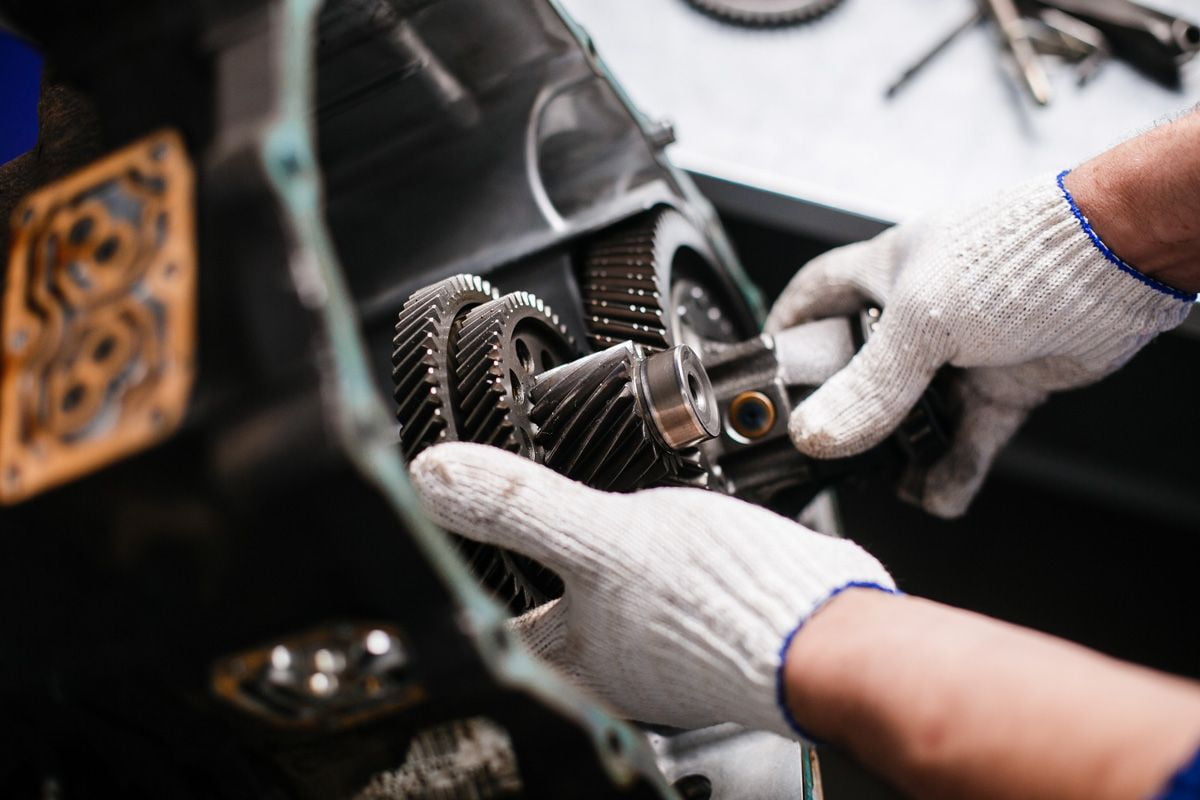
Transmission Shop in Philadelphia, Pennsylvania
Traffic jams on I-76, steep climbs in Manayunk, and harsh winters create a perfect storm for vehicles in Philadelphia. Drivers searching for transmission repair near me often ignore the first signs of transmission trouble until their car breaks down in the middle of the road. The transmission is a complex system responsible for transferring power from the engine to the wheels. Without a functioning transmission, even the most powerful engine becomes a useless hunk of metal. Regular maintenance and timely transmission repair not only extend the life of your vehicle but also save thousands of dollars in the long run.
Why Transmission Maintenance Matters for Philadelphia Drivers
Philadelphia dictates its own rules for vehicle operation. The typical commute in this region subjects components to loads that manufacturers classify as “severe operating conditions.” Traffic jams on I-76, steep climbs in Manayunk, and harsh winters create a perfect storm for vehicles, and the transmission often suffers first. Understanding these factors helps explain why the standard fluid change intervals listed in your manual often fail in real-world conditions.
The primary enemy requiring automatic transmission service is overheating. Heavy traffic typical of Philly prevents transmission fluid from cooling effectively. When a car sits in a highway traffic jam, the torque converter continues working and generating heat, but there’s no airflow. The fluid begins losing its properties, additives burn off, and lubrication capacity drops. This leads to accelerated wear of friction discs and seals. Add summer heat and humidity to the mix, and the temperature inside the transmission can reach critical levels, causing internal components to literally bake.
The terrain also plays a major role. Philadelphia is not flat, and many neighborhoods feature steep hills. When climbing, the transmission experiences tremendous stress, often shifting between gears searching for optimal torque. Descending forces the transmission to work in engine braking mode. Constant load changes wear out the valve body and solenoids faster than driving on flat terrain. Ignoring these factors leads to premature component failure.
Winter brings its own problems. Pennsylvania road crews use de-icing chemicals generously. Salt and chemicals splash onto the vehicle’s undercarriage, causing corrosion in transmission cooling lines. If a line rusts through and bursts, fluid will drain in minutes, guaranteed to kill the transmission. Additionally, cold fluid thickens, and in the first minutes after startup, lubrication reaches components with a delay. Regular transmission inspection allows you to spot developing corrosion or leaks before they become fatal.
Specific factors that kill transmissions in Philadelphia:
- Stop-and-go traffic on busy highways like I-95 and the Schuylkill Expressway causes constant fluid overheating and accelerated chemical breakdown of the lubricant.
- Frequent gear changes under load on the hilly streets of Manayunk and Roxborough accelerate friction disc wear and solenoid failure.
- Aggressive road chemicals corrode metal cooling lines and aluminum housings, leading to leaks that are often noticed too late.
- Numerous traffic lights and intersections in Center City force the transmission to make thousands of extra shifts daily, wearing out the shift mechanisms.
- Deep potholes that appear after winter can physically damage the transmission pan, leading to instant fluid loss and catastrophic internal damage.
Given these conditions, transmission maintenance in Philadelphia stops being just a recommendation. It’s a necessity for those who want to avoid costly repairs. Adapting your maintenance schedule to real road conditions is the best way to protect your automotive investment.
Types of Transmission Services Available Near You
The auto service market offers numerous options when looking for a transmission shop near me, and navigating them can be challenging. Choosing the right procedure depends on the current condition of the unit, mileage, and symptoms of malfunction. It’s important to understand that no transmission fluid change near me will fix a mechanical breakdown, such as burned friction discs or a broken shaft.
Diagnostics should always be the first step. Modern transmissions are controlled electronically, so scanning error codes is mandatory. However, the computer only shows the electrical side of the problem. An experienced mechanic will conduct a road test and check the fluid condition. The color and smell of the fluid can reveal more about transmission health than any scanner. Based on this data, an action plan is formed for a transmission fix, from simple replacement of consumables to complete disassembly of the unit.
Transmission Fluid Change vs. Flush: What’s the Difference?
The choice between a partial change and a full machine flush is critical. The classic transmission fluid change (drain and fill) is considered the safest method. The mechanic removes the drain plug or drops the pan, allowing fluid to drain by gravity. This removes only 30 to 50% of the old fluid, as most remains in the torque converter and valve body channels. The main advantage of this method is its gentle impact. New fluid mixes with old, gradually refreshing the additive package. This doesn’t shock the system and doesn’t flush out beneficial deposits that may be maintaining seal integrity in older gaskets. Along with the fluid, the filter must be changed, which is critical for removing wear debris.
A transmission flush is a more aggressive procedure. A specialized machine connects to the transmission cooling circuit and replaces old fluid with new under pressure. This allows renewal of 95 to 100% of the fluid volume. This approach works excellently on relatively new vehicles with clear service histories. However, for transmissions with high mileage and unknown history, this can be a death sentence. High pressure and fresh cleaning additives can dislodge clumps of sludge and varnish deposits. This debris, traveling through the system, clogs thin valve body channels and solenoids, leading to transmission failure.
Criteria for choosing a service method:
- Mileage and history: if fluid was changed regularly every 30.000 to 50.000 miles, a full flush is safe and effective.
- Fluid condition: if the fluid is black and smells burnt, flushing is strictly prohibited. Only a partial change with pan removal and diagnostics is acceptable.
- Vehicle age: for cars older than 10 years with original fluid, the gentle drain and fill method is preferable.
- Transmission type: some continuously variable transmissions (CVT) and automated manual transmissions require specific procedures that may exclude a transmission flush near me.
Full Transmission Repair and Rebuild Options
When prevention no longer helps, the question of serious gearbox repair intervention arises. Each option has its price, timeline, and warranty obligations:
- Spot Repair: Makes sense when the problem is isolated, such as a single failed solenoid, a leaked seal, or a broken speed sensor. This is the most budget-friendly and quickest option. However, it provides no guarantee that another component won’t fail soon, as the overall wear remains.
- Full Rebuild: This is a major overhaul. The transmission is removed, disassembled, and the housing is cleaned. Every part undergoes inspection. All consumables, including gaskets, seals, friction discs, steel plates, pistons, and filters, are replaced. The torque converter is rebuilt or replaced. You receive a practically new unit in an old housing with an extended warranty.
- Factory Remanufactured Unit: A ready-made transmission, rebuilt at a factory with strict quality control, is delivered and installed. This is faster than rebuilding on-site and often includes design improvements that correct known issues with specific models.
Choosing between these options depends on the depth of the problem and your plans for the vehicle. If the car is needed for long-term operation in Pennsylvania’s tough conditions, a full transmission repair or rebuild is an investment in reliability.
Common Signs Your Transmission Needs Service
Cars rarely break down suddenly without warning. Without proper transmission maintenance, units typically “cry for help” long before complete failure. Philadelphia drivers should be especially attentive due to severe operating conditions. Changes in vehicle behavior are often ignored or blamed on bad weather, but any deviations from normal indicate internal malfunctions. It’s important to pay attention to minor details: slight vibration, changes in engine sound pitch, or barely noticeable delays.
Visual inspection of your parking spot should become a habit. Red or brown spots under the car are a sure sign of trouble. Transmission fluid doesn’t burn off like engine oil. If the level drops, there’s a leak. Low fluid level is the number one killer of automatic transmissions, as it leads to fluid starvation, overheating, and instant friction disc wear.
How Transmission Problems Affect Vehicle Safety and Performance
A faulty transmission is not just a risk of expensive repair but a direct safety threat. Loss of connection between the engine and wheels robs the driver of control. Imagine trying to merge into fast traffic on I-95: you press the gas, engine RPMs shoot up, but the car doesn’t accelerate. This “slipping” makes the vehicle a helpless obstacle for surrounding traffic.
Unpredictable gear shifts are also dangerous. A sudden downshift can cause abrupt engine braking, which on slippery winter roads can trigger a skid. Conversely, spontaneous engagement of neutral on a descent eliminates the ability to use engine braking, overheating the main brake system. Delays in throttle response make maneuvering in city traffic jerky and nervous, increasing the likelihood of accidents.
Beyond safety, the driver’s wallet suffers through fuel consumption. A slipping transmission doesn’t transfer all energy from fuel combustion to the wheels. The engine runs idle at high RPMs, burning fuel wastefully. Clogged filters and old fluid increase internal resistance in the transmission, forcing the engine to expend more effort rotating shafts. A properly functioning transmission, resulting from quality transmission service, ensures optimal performance and fuel economy.
When to See a Transmission Mechanic in Philadelphia
Delaying a visit to a transmission mechanic near me for a couple of days can turn a minor malfunction into a catastrophe. Sound during transmission operation is the first indicator. A properly functioning transmission works silently. The appearance of humming, whining, grinding, or metallic banging indicates mechanical destruction of bearings or gears. A burning smell is a critical signal. If you smell a sweet burnt odor, transmission fluid has overheated, losing its properties and burning friction material. In this situation, continuing to drive is extremely undesirable.
Symptoms requiring immediate diagnosis:
- Delayed engagement: a pause (more than 1 to 2 seconds) between moving the selector and actual movement beginning.
- Jerks and bumps: noticeable jolts during gear changes, especially during acceleration or braking.
- Gear refusal: inability to engage a specific gear or reverse, or the transmission working in only one gear (limp mode).
- Dashboard indicators: Check Engine light or specialized symbols (gear, exclamation point) illuminating.
- Noise in neutral: if humming or knocking is audible when stationary, this may indicate input shaft or torque converter wear.
Ignoring these signs is unacceptable. Timely consultation for transmission work near me will help accurately locate the problem and choose the optimal solution, whether replacing a sensor or a full repair.
Cost of Transmission Services in Philadelphia, Pennsylvania
The total transmission service cost is traditionally considered one of the most expensive types of vehicle maintenance. В Philadelphia, prices are shaped by high competition, the cost per hour of qualified mechanics, and parts logistics. Official dealerships traditionally maintain the highest prices, offering original parts and certified specialists. Independent shops are often the best open transmission shops for flexible solutions, using remanufactured parts to reduce the final bill.
Diagnostics is usually charged separately, but many services include its cost in the total bill if the customer agrees to subsequent repair. A transparent estimate should clearly separate labor costs and parts costs. Never agree to repair without prior approval of the exact amount, as additional defects may be discovered during disassembly.
Transmission Rebuild or Repair: Cost Breakdown and Pricing Factors
Calculating the transmission rebuild cost is a complex mechanism. The lion’s share of costs is labor. Removing and installing a transmission takes 4 to 10 hours depending on vehicle layout. On all-wheel-drive vehicles, this process is even more complex and expensive due to the need to remove the transfer case and driveshafts.
Parts costs vary by multiples. A master kit for a popular model may cost $200 to $400, while for a rare luxury vehicle, the price easily exceeds $1,000. If “hard” parts are damaged, such as planetary gear sets, shafts, housing, or valve bodies, the budget increases sharply. The torque converter also requires separate attention; its repair or replacement adds $200 to $600 to the estimate.
On average, a major rebuild of an automatic transmission in Philadelphia costs the owner between $2,800 and $4,500. For CVTs, the price is often higher due to construction complexity. Manual transmission repair is cheaper, typically within $1,500 to $2,500. Main factors affecting the final cost include vehicle make (European brands are always more expensive), drive type (AWD/4WD), extent of damage, and the length of the warranty.
Transmission Fluid Change Cost in Philadelphia with Rolls Auto Sales
Regular maintenance is the only way to postpone expensive repairs. In Philadelphia, prices for a drain and fill procedure at independent shops range from $150 to $250. The transmission flush cost is higher, from $250 to $450, as it requires more fluid.
Rolls Auto Sales offers customers a special approach. Understanding that buying a used car carries risk, the company pays special attention to pre-sale preparation. All vehicles undergo thorough inspection, ensuring reliable transmission service nearby and optimal fluid condition. This eliminates situations where a buyer receives a car with a “dead” transmission.
Moreover, Rolls Auto Sales addresses the primary concern surrounding used cars: the fear of sudden breakdowns. Customers are offered extended warranty programs that can last up to 5 years. Such protection covers the repair of major components, including the engine and transmission. This allows owners to plan their budget, knowing they won’t need to find $3,000 for a sudden repair. Essentially, the cost of transmission maintenance dissolves into the warranty cost, providing peace of mind and protection from inflation in parts and mechanic service prices.
Investing in quality transmission maintenance near me today means saved nerves and money tomorrow. Whether it’s a simple fluid change or complex repair, choosing a reliable partner in Philadelphia plays a decisive role in your vehicle’s long life.