

Your wishlist is empty
Most Reliable Used Cars for 2026–2027: The Ultimate Buyer’s Guide

- Our Criteria: How We Ranked the Most Dependable Pre-Owned Cars
- Top Reliable Used Compacts and Sedans
- Best Pre-Owned SUVs and Crossovers for Peace of Mind
- Longest-Lasting Used Trucks You Can Trust
- Reliable Pre-Owned Luxury Vehicles
- Frequently Asked Questions
- Find Your Next Reliable Ride at Rolls Auto Sales
New-car prices have hit a ceiling and loan rates climbed right along with them. That’s why more Philadelphia buyers are turning to the used market and it’s a smart move. The right pre-owned vehicle will clear 200,000 miles and then some, saving you tens of thousands over buying new. The only real question is which models actually hold up and which ones start handing you repair bills by year three.
There’s an unusual amount of quality three- to five-year-old inventory out there right now and the reliability of those model years is already backed by several years of real-world data. That makes this a good window to pick one of the best reliable used cars with confidence, judging by how a specific model year actually performed for its first owners.
This guide covers the most reliable used cars worth hunting for in 2026 and 2027. We sorted through sedans, crossovers, trucks and luxury models using data from Consumer Reports, J.D. Power and IIHS, plus the real-world experience of owners who’ve logged 250,000 miles. Ready to see what’s on the lot today? Start with our used cars inventory, then come back to the breakdowns below.
Our Criteria: How We Ranked the Most Dependable Pre-Owned Cars
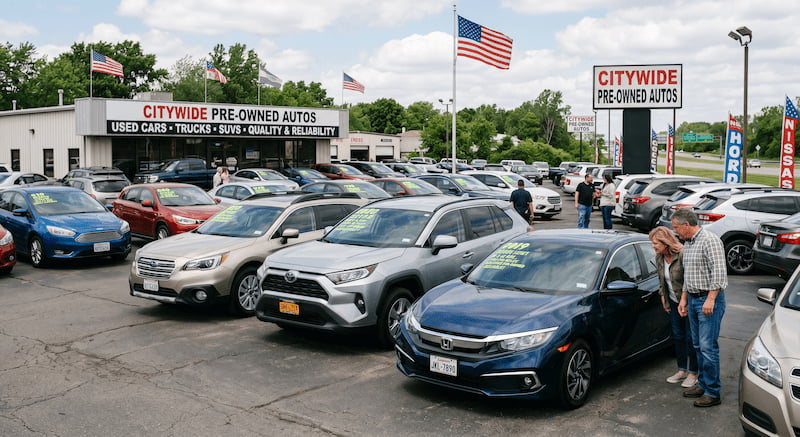
We measured reliability in numbers, cross-checking every model against several independent sources. Leaning on a single rating is risky, because each methodology has its own blind spots. Here’s a nuance worth knowing: some studies measure the first three years of ownership, others a 5-to-10-year horizon and the leaders don’t always overlap. Long-term dependability is what we cared about, since nobody buys a used car for a single season.
- Consumer Reports. Its annual survey covers roughly 380,000 vehicles and tracks 20 trouble spots, from engine and transmission to electronics and body. Its predicted reliability verdict for specific model years carries real weight.
- J.D. Power Vehicle Dependability Study (VDS). This one counts PP100, or problems per 100 vehicles, among owners of three-year-old cars. In the 2026 report the industry average landed at 204 PP100 (the worst since 2022), while Lexus topped the premium segment at 151 PP100 for the fourth year running.
- ISeeCars. Its longevity study of 174 million vehicles shows what share of each model reaches 250,000 miles, a direct answer to “How far will this thing actually go.”.
- RepairPal. Average annual repair and maintenance cost, a practical read on what ownership really runs you.
- Safety (IIHS and NHTSA). Crash-test results and Top Safety Pick awards for the model years that actually show up on used lots.
In Philadelphia and across Pennsylvania, reliability isn’t an abstraction. PennDOT salts the roads hard all winter and that salt eats at undercarriages and frames. Potholes on I-95 and side streets pound the suspension. Humid summer heat leans on the A/C. So when you’re looking at a local car, check the suspension specifically (ball joints, tie rods, struts) along with the A/C across all its settings. One upside: PA drivers average just 10,961 miles a year, well below the national 13,662, so local used cars often carry lower mileage for their age. Good news for buyers, though you’ll still want to pull the service history on Carfax.
A tip from the Rolls Auto Sales team: no matter how reliable a model is “on average,” you’re buying one specific car. Spring for a pre-purchase inspection from an independent mechanic (usually $150–200), check the undercarriage for corrosion on anything that’s lived on Northeast roads and confirm every recall has been handled by VIN. It’s cheaper than whatever breaks later.
Top Reliable Used Compacts and Sedans
Sedans are still the smart pick when fuel economy, low ownership costs and predictability top your list. They run noticeably cheaper than comparable crossovers on the used market and they sip less gas on a daily city commute. This is the class where Japanese brands have spent decades proving the point and where some of the best reliable used cars on any lot tend to live.
Toyota Corolla and Toyota Camry
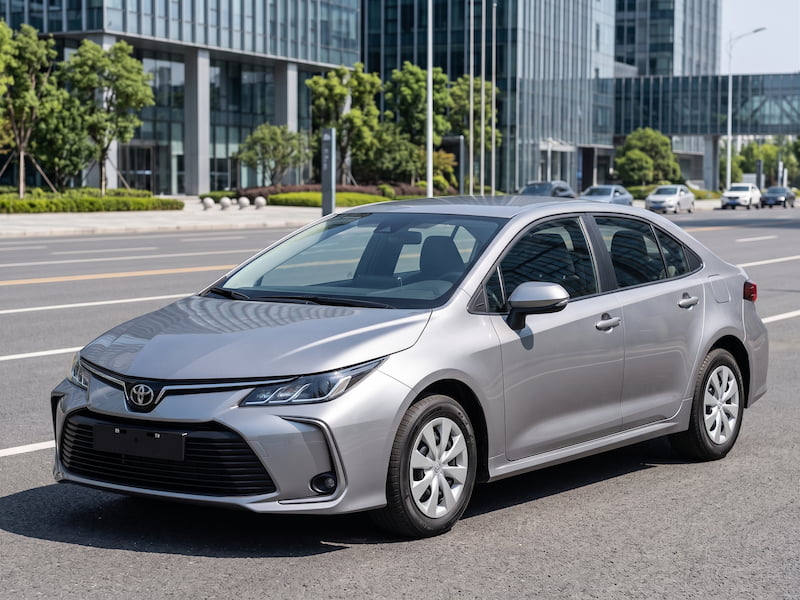
The Toyota Corolla is a textbook no-drama compact. It won the Compact Car category in the 2026 J.D. Power VDS and RepairPal rates its reliability 4.5 out of 5 with an average repair bill of just $362 a year, among the lowest anywhere. Gas versions return around 33 mpg and the hybrid stretches to a full 52. Your sweet spot is the 2018–2021 run, priced around $14,000–19,000 per CarGurus as of June 2026. The 1.8- and 2.0-liter engines use a timing chain and cruise past 200,000 miles without complaint. One safety caveat: recent Corollas earned the IIHS Top Safety Pick from 2019 through 2023, but the 2026 lost it over a “Marginal” rear-passenger score in the updated front test.
2018–2021 Toyota Corolla
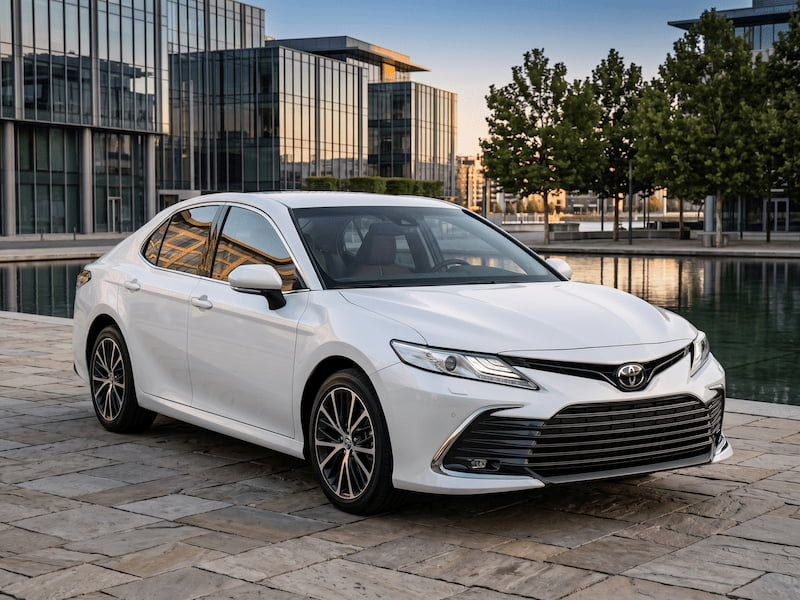
Move up a class and you land on the Toyota Camry. It won the Midsize Car category in the 2026 J.D. Power VDS and has a reputation for racking up 300,000 miles in taxi fleets. The four-cylinder LE and SE trims average about 34 mpg, with service running $388 a year. The 2.5-liter uses a timing chain instead of a belt, so there’s no scheduled belt replacement to budget for, one less maintenance line over the long haul. Aim for the 2019–2023 model years ($19,000–25,400 on CarGurus). Now for the honest part: the 2018–2023 cars scored “poor” in the IIHS updated side crash test, even though NHTSA gives them five stars. And skip the early 2018 specifically. Its eight-speed automatic can shift roughly, so if you’re considering one, confirm the dealer installed the software update.
2019–2023 Toyota Camry
Honda Civic and Honda Accord
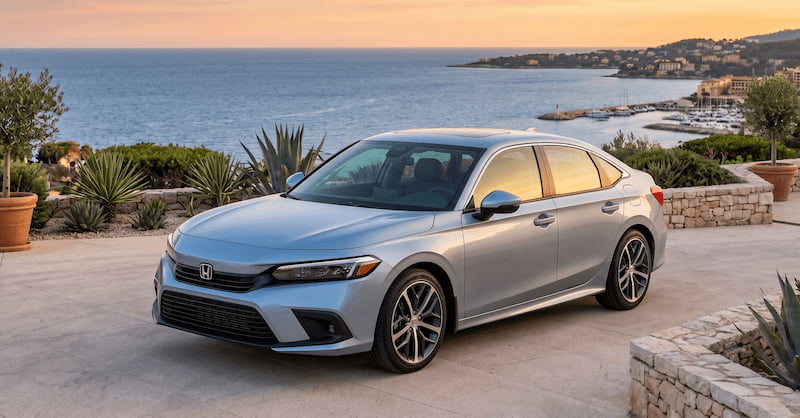
Safety meets efficiency in the eleventh-generation Honda Civic (2022 on). The 2022 earned the top IIHS Top Safety Pick+ rating with a “Superior” in front crash prevention, returns 33–35 mpg and costs $368 a year per RepairPal. Target the 2020–2023 years ($19,000–24,500). One Philadelphia-specific heads-up: 2016–2019 Civics with the 1.5T turbo can suffer fuel dilution in the oil, a problem that gets worse on short cold-weather trips, which is exactly what a PA winter delivers. Lean toward the newer ones and skip the early turbos. The eleventh gen feels a full class above its predecessor, more grown-up to drive and quieter inside, with the same easy efficiency.
2022 Honda Civic
The Honda Accord is our favorite midsize sedan, full stop. RepairPal ranks it #1 for reliability in its class (4.5 out of 5, $400 a year) and it was the only midsize sedan to earn a “Good” in that same updated IIHS side test where the Camry stumbled. The 1.5T turbo delivers 33 mpg, the hybrid 48. The 2019–2023 range is the one to shop ($19,300–24,700). Its weak spot mirrors the Civic’s: the 2018 model year is prone to oil dilution, so seasoned owners say pass on that one and grab an extended warranty if you can.
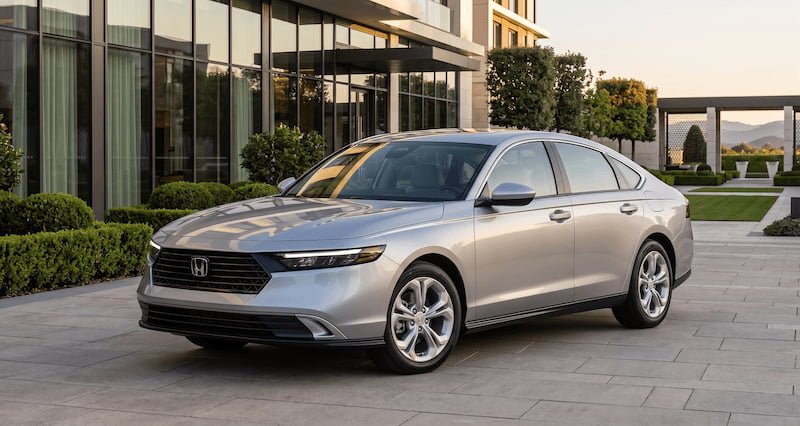
2019–2023 Honda Accord
Mazda 3
For premium feel on an economy budget, nothing in the compact class tops the fourth-generation Mazda 3. In Consumer Reports’ 2024 compact reliability survey it trailed only the Honda Civic and Mazda has collected more IIHS Top Safety Pick+ awards than any other automaker. The 2025–2026 sedan and hatchback both carry the TSP+ title. Skyactiv-G engines return 31–32 mpg and run past 200,000 miles, with service at $433 a year. The 2019–2022 years are the value pick ($17,100–21,100). In materials and handling the Mazda 3 reads more premium than economy, giving you noticeably more character and a nicer cabin for the same money. One year to step around: Consumer Reports unexpectedly dropped the 2023 to 59 out of 100 over raw infotainment and automatic-braking gripes, though it recovered by 2024.
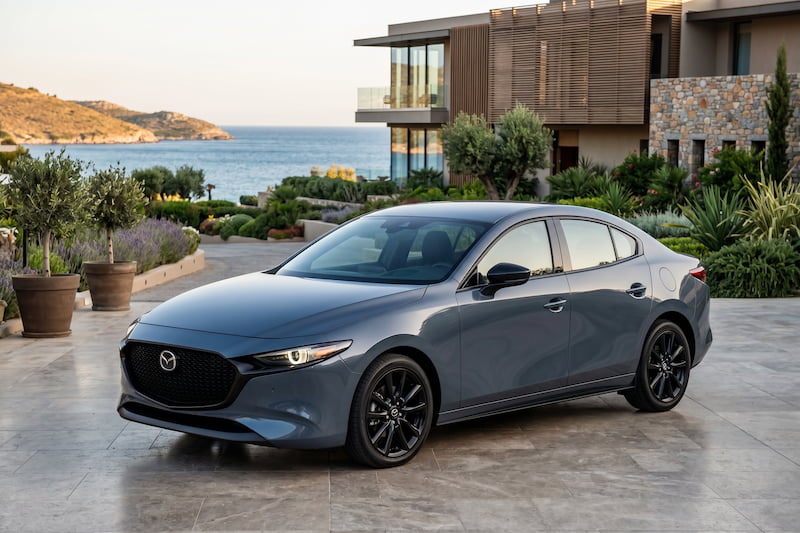
2019–2022 Mazda 3
Model | Best years | 2026 price (CarGurus) | MPG | IIHS safety | RepairPal | Repair/yr |
|---|---|---|---|---|---|---|
Toyota Corolla | 2018–2021 | $14,200–19,000 | 33 / 52 (hybrid) | TSP 2019–2023 | 4.5/5 | $362 |
Toyota Camry | 2019–2023 | $19,000–25,400 | 34 | NHTSA 5★. “Poor” side 2018–2023 | 4.0/5 | $388 |
Honda Civic | 2020–2023 | $19,000–24,500 | 33–35 | TSP+ | 4.5/5 | $368 |
Honda Accord | 2019–2023 | $19,300–24,700 | 33 / 48 (hybrid) | TSP+ (2018–2023) | 4.5/5 | $400 |
Mazda 3 | 2019–2022 | $17,100–21,100 | 31–32 | TSP+ (2025–2026) | 4.5/5 | $433 |
Best Pre-Owned SUVs and Crossovers for Peace of Mind
Crossovers are the hottest segment going and for a Pennsylvania winter, all-wheel drive and a margin of toughness matter most. The four below have proven both.
Toyota RAV4
The fifth-generation Toyota RAV4 (2019–2023) is the benchmark balanced crossover. Consumer Reports gives the 2026 a predicted-reliability score of 86 out of 100, NHTSA awards five stars and RepairPal pegs service at $429 a year. Gas AWD versions return about 30 mpg, the hybrid 39. The 2020–2022 years are the sweet spot ($23,700–27,800 on CarGurus, averaging around $24,600 near Philadelphia). All-wheel drive costs extra and isn’t on every trim, so check the build. Buy a gas 2019 only if the eight-speed’s software update is done and on 2019–2022 hybrids it’s worth inspecting the rear motor’s high-voltage connector. Beyond the long life, the RAV4 earns its keep on practicality: roughly 37.6 cubic feet of cargo space ranks among the best in class, with a high seating position and easy entry that suit a family’s daily run.
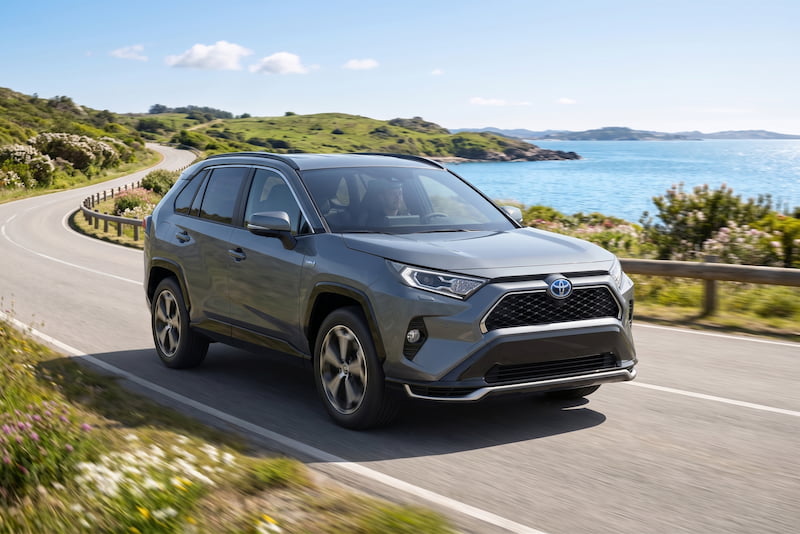
2020–2022 Toyota RAV4
Honda CR-V
Few crossovers are as practical as the Honda CR-V, which also posts the lowest repair cost in its class ($407 a year, RepairPal 4.5 out of 5). The 2023 earned the IIHS Top Safety Pick+. Its 1.5T turbo returns about 29 mpg, the hybrid 37. Shop the 2020–2022 years or the new sixth generation from 2023 on (around $20,000–24,000). The cold-weather caveat that follows every Honda applies here too: 2017–2018 CR-Vs with the 1.5T can develop oil dilution, a genuine risk in Pennsylvania, so skip those years. Space is its own argument for the CR-V, with about 39.2 cubic feet of cargo room and a folding Magic Seat that make it one of the roomiest in the segment. Honda Sensing has been standard since 2017, so even older examples come with adaptive cruise and automatic braking.
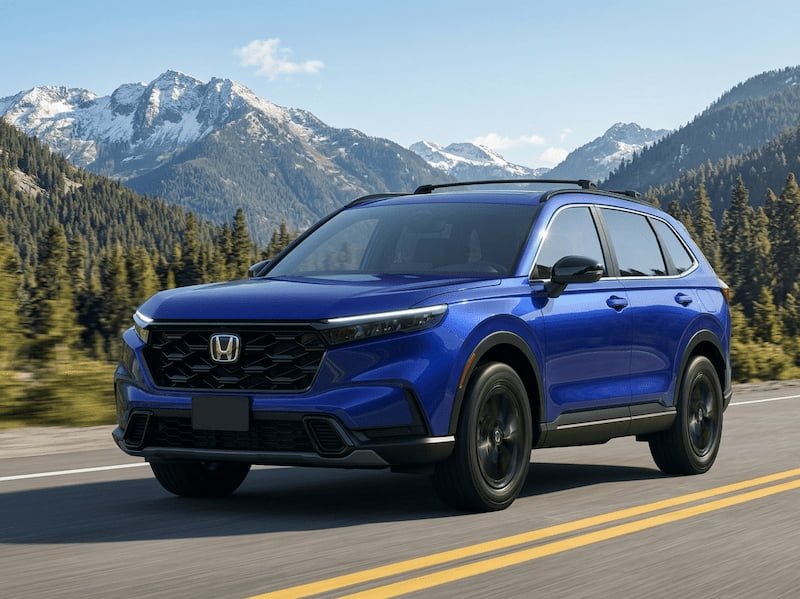
2020–2023 Honda CR-V
Mazda CX-5
For anyone bored behind the wheel of a RAV4 or CR-V, the Mazda CX-5 is the antidote. RepairPal calls it the most reliable crossover in its class (4.5 out of 5, $447 a year) and J.D. Power handed the 2020 an 85 out of 100. The 2021–2022 models wear the IIHS Top Safety Pick+ badge. The naturally aspirated 2.5 with AWD returns 27 mpg. Best buys are the 2020–2022 years ($19,300–22,000) and you’ll want to steer around 2018–2019 over fuel-system recalls. The bonus is a cabin that feels a tier above its price tag.
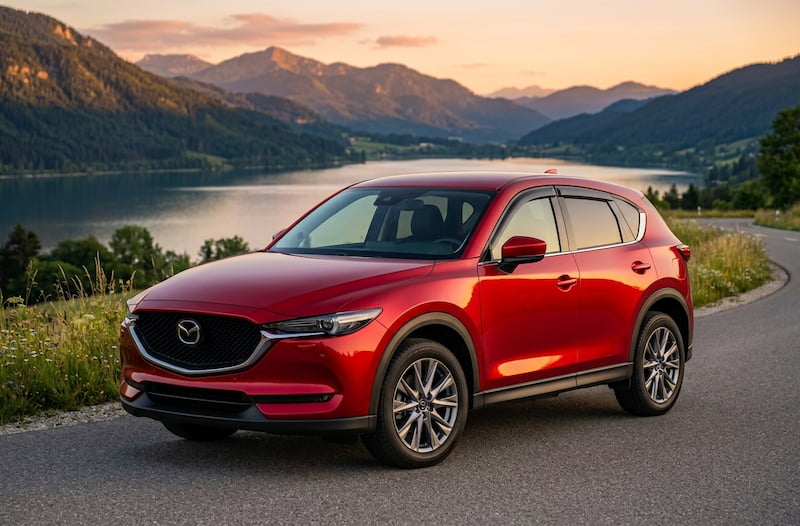
2020–2022 Mazda CX-5
Subaru Forester
Only one model here puts symmetrical all-wheel drive on every trim, no exceptions: the Subaru Forester. For snowy Pennsylvania winters and I-95 slush, that’s the clincher: AWD is an option on the RAV4, CR-V and CX-5, but here you can’t accidentally skip it. Add 8.7 inches of ground clearance and best-in-class visibility and you’ve got an ideal city-and-suburb rig. Consumer Reports flagged the 2021–2022 years as “better than average,” and it returns 29 mpg. Buy the 2020–2023 run ($21,400–25,700) and steer hard around 2014–2018 over CVT trouble. Worth noting: the Forester has earned the IIHS Top Safety Pick longer than any other compact SUV in history and its EyeSight driver-assist system, standard since 2019, ranks among the best out there.
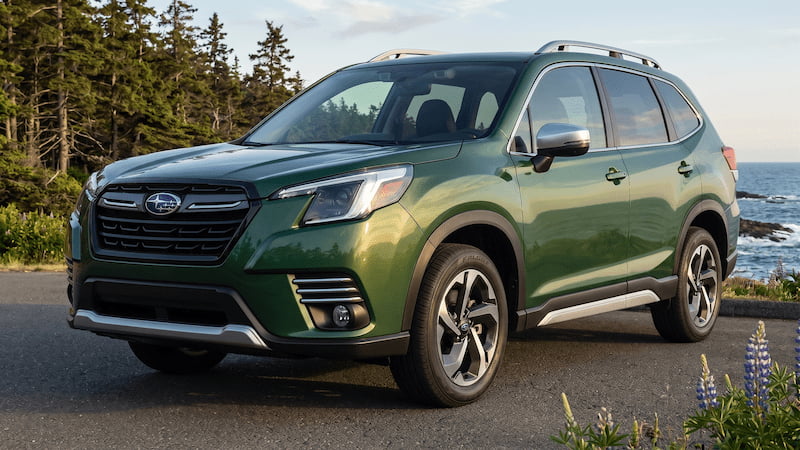
2020–2023 Subaru Forester
Model | Best years | 2026 price (CarGurus) | MPG | Safety | RepairPal | AWD |
|---|---|---|---|---|---|---|
Toyota RAV4 | 2020–2022 | $23,700–27,800 | 30 / 39 (hybrid) | TSP 2022. NHTSA 5★ | 4.0/5 ($429) | Optional |
Honda CR-V | 2020–2022, 2023+ | $20,000–24,000 | 29 / 37 (hybrid) | TSP+ | 4.5/5 ($407) | Optional |
Mazda CX-5 | 2020–2022 | $19,300–22,000 | 27 | TSP+ (2021–2022) | 4.5/5 ($447) | Optional |
Subaru Forester | 2020–2023 | $21,400–25,700 | 29 | TSP+ (2021, 2026) | 3.5/5 ($632) | Standard |
Longest-Lasting Used Trucks You Can Trust
A pickup is an investment and here longevity rules everything. Two proven picks cover different needs: one built for record-setting mileage, the other for affordability and range.
Toyota Tacoma
The third-generation Toyota Tacoma (2016–2023) is a legend for resale value and mileage. Toyota took the 2026 KBB Best Resale Value award and the Tacoma holds roughly 65% of its value after five years — a number the class can barely touch. Owners routinely report 300,000-plus miles on the original engine and third-gen trucks past 318,000 miles with no rebuild aren’t rare on the forums. Buy the 2018–2022 years, by which point Toyota had sorted the early third-gen’s growing pains. Steer around 2016–2017, though, because they can leak oil behind the timing cover, a fix that means pulling the engine. The V6 returns 20–21 mpg, with service at $478 a year. Used prices held high in 2026 precisely because of that reputation: $28,000–34,000.
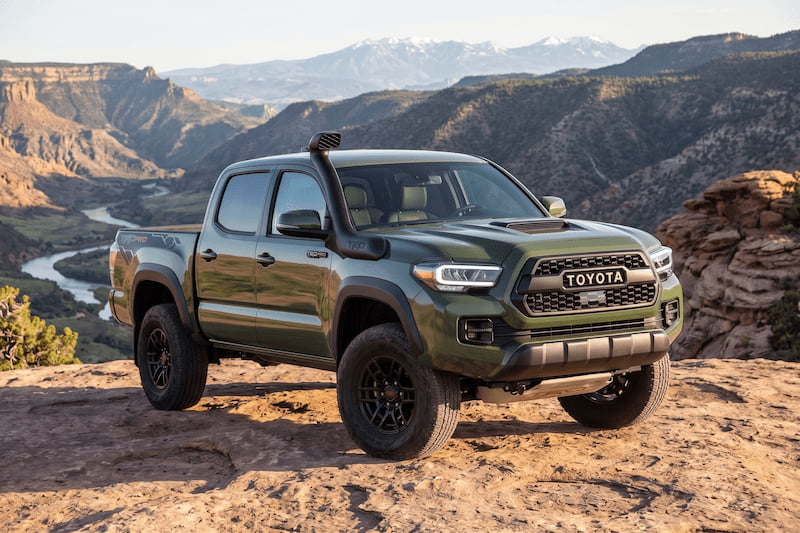
2018–2022 Toyota Tacoma
Ford F-150 (Select Generations)
The Ford F-150 has been America’s best-selling pickup for 46 straight years and its trump card on the used market is simple. Parts are everywhere and mechanics know these trucks cold. If you need a truck for actual work, the F-150 offers up to 14,000 pounds of towing and a huge spread of cab and bed configurations. But choose the engine and year carefully. The best bets are 2019–2020 with the 2.7L EcoBoost or 5.0L V8, or the redesigned 2021–2023 generation (again, 5.0L V8 or 2.7L). The 2.7L EcoBoost from 2018 on is the most reliable boosted engine in the lineup. What to avoid: the 2018 F-150 with the 5.0L burned oil heavily and the PowerBoost hybrid drew Consumer Reports’ worst reliability scores three years running. Fuel economy runs 19–22 mpg depending on the engine and used prices stretch wide, from $26,000 to $44,000, which gives you more budget room than the Tacoma.
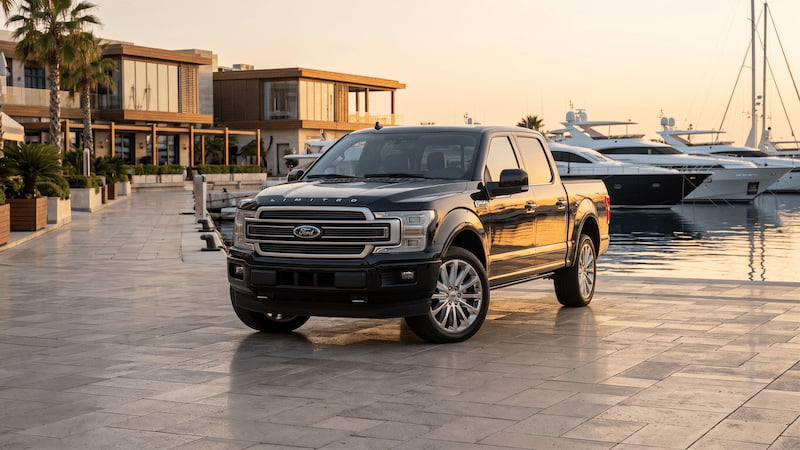
2019–2020 Ford F-150 (2.7L EcoBoost / 5.0L V8)
Model | Best years | 2026 price | MPG | Longevity | RepairPal |
|---|---|---|---|---|---|
Toyota Tacoma | 2018–2022 | $28,000–34,000 | 20–21 | 300,000+ miles | 3.5/5 ($478) |
Ford F-150 | 2019–2020, 2021–2023 (not PowerBoost) | $26,000–44,000 | 19–22 | 200,000–250,000+ | 3.5/5 ($788) |
Reliable Pre-Owned Luxury Vehicles
Luxury is where the gap between brands gets widest on the used market. Japanese luxury rides on proven Toyota and Honda platforms, so it ages without catastrophic bills. The German competition often demands expensive specialist service past the 5-to-7-year mark, which is why so many owners trade their German sedans every three years while a Lexus or Acura quietly serves a second and third owner. One telling number: J.D. Power puts Lexus at 135 problems per 100 vehicles against BMW’s 190, a 55-point gap.
Lexus RX and Lexus ES
Think of the Lexus RX 350 as Toyota reliability in a luxury wrapper. Its five-year depreciation is just 33% against a class average near 50%, the best value retention among midsize luxury SUVs. Ten years of maintenance runs about $7,840, below the segment norm. The 2019–2022 years are the pick ($29,700–41,200), returning 22–23 mpg. iSeeCars scored it 8.4 out of 10 for reliability and owner stories of RXs clearing 300,000 miles on the original engine, 15-plus years with no major investment, are easy to find.
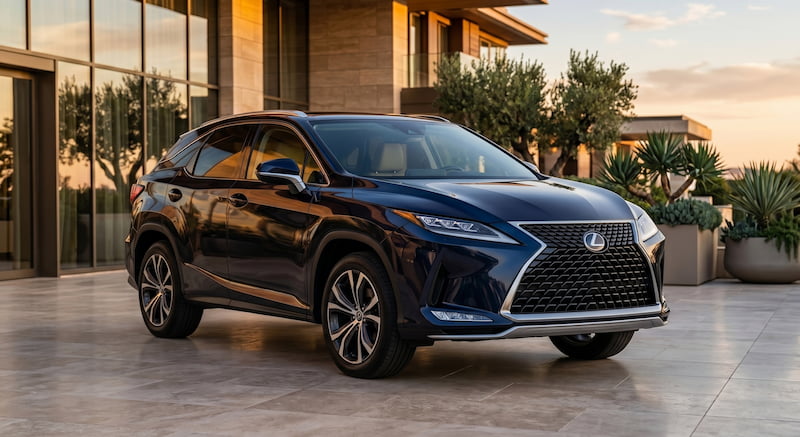
2019–2022 Lexus RX 350
Among our luxury picks, the seventh-generation Lexus ES 350 (2019 on) is the efficiency leader — 26 mpg, with service at $468 a year (RepairPal 4.0 out of 5). It shares a platform with the Camry, so it inherits that durability and owners comfortably log 250,000–300,000 miles. Shop the 2019–2022 years ($27,500–35,600) for a quiet, composed sedan at a fraction of what a German equivalent costs to keep.
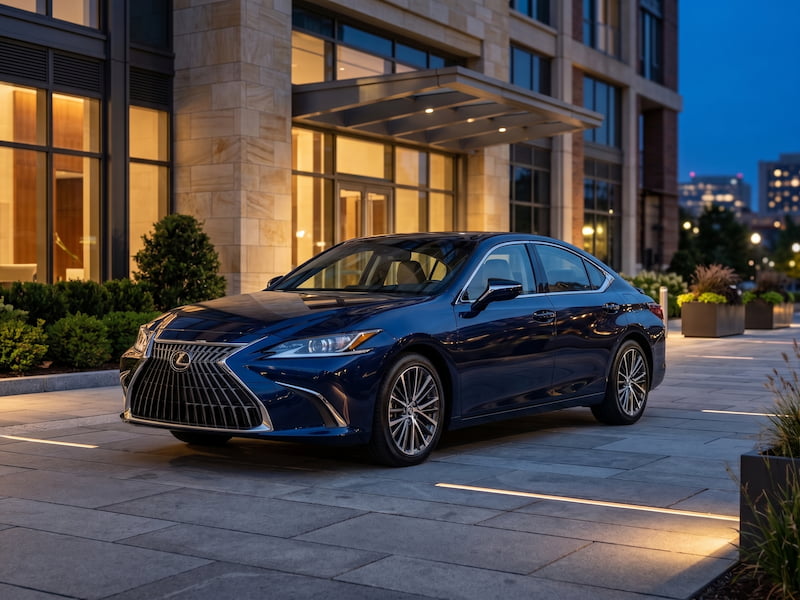
2019–2022 Lexus ES 350
Acura MDX and Acura TLX
The Acura MDX is a three-row luxury crossover on a proven Honda platform that runs $15,000–20,000 cheaper than a comparable-year BMW X5 or Mercedes GLE. It’s held the IIHS Top Safety Pick+ four years straight (2022–2025) and RepairPal scores it 4.0 out of 5 at $571 a year. Good buys are the third-gen 2018–2020 years ($22,400–25,300) or the fully redesigned fourth gen from 2022. Three rows and SH-AWD make the MDX a practical pick for a big family that wants luxury without the German badge premium.
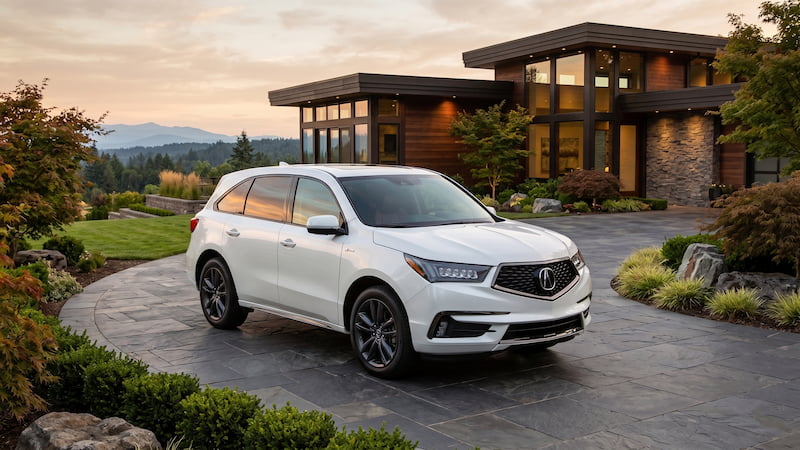
2018–2020 Acura MDX
For sheer dependability, the Acura TLX is the quiet champion of the group. RepairPal ranks it #1 of 31 midsize luxury sedans (4.5 out of 5, $440 a year), with owners averaging just 0.24 shop visits a year. The pick is the second-gen 2021–2023 run ($27,800–34,800), returning 24–25 mpg. The first generation (2015–2020) is trickier thanks to a balky nine-speed transmission, especially on the 2015, where checking the repair and recall history is critical. At matching years the TLX undercuts the Lexus ES noticeably, which makes it a strong value play on reliability.
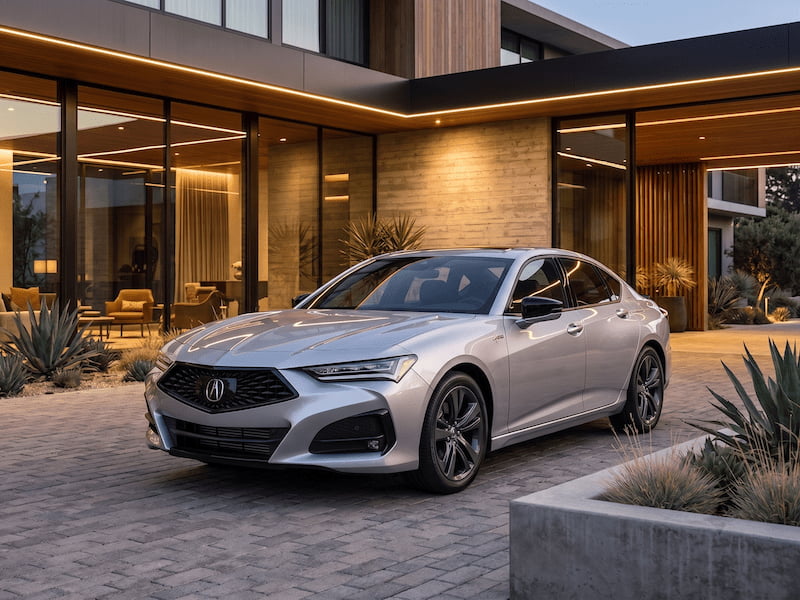
2021–2023 Acura TLX
Model | Best years | 2026 price | MPG | Safety | RepairPal |
|---|---|---|---|---|---|
Lexus RX 350 | 2019–2022 | $29,700–41,200 | 22–23 | TSP 2022 | ~4.0/5 ($550) |
Lexus ES 350 | 2019–2022 | $27,500–35,600 | 26 | TSP+ (most years) | 4.0/5 ($468) |
Acura MDX | 2018–2020, 2022+ | $22,400–40,900 | 21–22 | TSP+ (2022–2025) | 4.0/5 ($571) |
Acura TLX | 2021–2023 | $27,800–34,800 | 24–25 | TSP+ | 4.5/5 ($440) |
Frequently Asked Questions
Which used car brand lasts the longest?
Short answer: Toyota. According to the iSeeCars 2025 longevity study (an analysis of 174 million vehicles), Toyota reaches 250,000 miles more often than any other brand. Three brands follow and all three are Japanese.
Brand | Odds of reaching 250,000 miles | Vs. Average |
|---|---|---|
Toyota | 17.8% | 3.7× |
Lexus | 12.8% | 2.7× |
Honda | 10.8% | 2.3× |
Acura | 7.2% | 1.5× |
Industry average | 4.8% | — |
Only these four clear the 4.8% industry average, which explains why our list is built almost entirely from Toyota, Honda and their luxury arms. Consumer Reports backs the same picture: in its December 2025 used-car reliability ranking, the top of the list reads Lexus (77 points), Toyota, Mazda, Honda and Acura. The reason for the consistency is simple. Brands like Toyota and Lexus evolve their models in small steps, refining proven hardware year over year and rolling out risky new tech cautiously. So their cars are dependable when new and stay that way as they age.
What is considered good mileage for a reliable used car?
The average American drives about 13,662 miles a year. Pennsylvania drivers cover just 10,961. Quick math: multiply the car’s age by roughly 13,500 and compare it to the odometer. A five-year-old car should sit around 67,500 miles. Less is good, a lot more means heavier wear. But the odometer is only half the story. A well-kept Toyota or Honda with 120,000 miles and full-service records will almost always outlast a “low-mileage” car that was never maintained. Modern vehicles routinely hit 200,000-plus with proper care and Japanese brands push to 300,000. For most buyers, the sweet spot is a three- to five-year-old car with under 60,000–75,000 miles: the steepest depreciation is behind it, with a good decade of life still ahead.
Find Your Next Reliable Ride at Rolls Auto Sales
Every model in this guide shows up regularly in our inventory: sedans, crossovers, trucks and luxury. Since 2002, Rolls Auto Sales has helped Philadelphia drivers find vehicles they can count on. Every car gets a full inspection before it’s sold and our reputation rests on 2,100-plus reviews and a 4.9 Google rating.
We see a reliable car and a comfortable buying experience as two halves of the same equation. That’s why we offer financing for every credit score, including tougher credit situations, a trade-in program for your current vehicle and extended warranties up to five years. We’re here to match you with the right car for your budget and your life and we’re counting on you to come back for the next one.
Stop by 6550 Frankford Ave in Northeast Philadelphia or browse the inventory online. Book a test drive on the model that fits and see for yourself why a dependable used car is still the smartest buy on the 2026–2027 market.
Legal Notes for Rollsauto.com
This article is a set of legal notes from RollsAuto.com, an automotive website that strived to help customers find used vehicles, provide a financial center, payment calculator, etc.
These articles on the website are for educational and informational purposes only. The material in the article is distributed without profit to further propagate this information, which is appreciated and helps readers understand car selling more effectively.
The view in the article does not necessarily reflect the author's opinion. This site is not liable for the potential damages, lost profits, or any other losses of any kind caused by your reliance on the information in this article.
RollsAuto.com is only the author of these articles and is not in any way affiliated with the manufacturer or service provider mentioned. All trademarks are property of their respective owners and are mentioned as examples. Privacy and Terms policy: www.rollsauto.com/privacy-policy