Your wishlist is empty
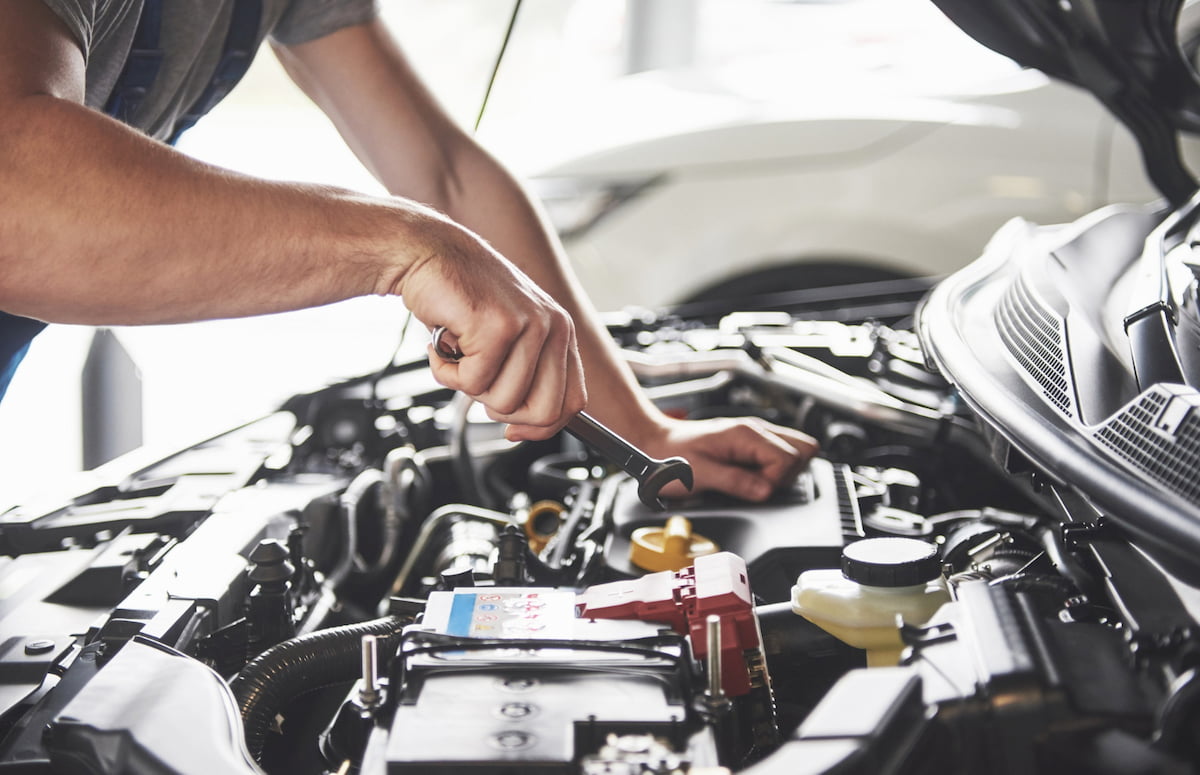
Vehicle Inspection in Philadelphia, Pennsylvania
The annual car inspection in Pennsylvania is a mandatory requirement for all car owners who want to legally operate their vehicles on public roads. Philadelphia residents face specific requirements driven by regional environmental standards and the characteristics of urban traffic. State law strictly regulates the inspection process, leaving mechanics no room for subjective assessment of vehicle components. Compliance with established standards guarantees not only the absence of police fines but also real physical safety for drivers. Every year, thousands of vehicles pass through service center gates to receive the coveted state inspection stickers on their windshields.
Why Regular Vehicle Inspection Matters
Pennsylvania law requires car registration and inspection in PA to be renewed every 12 months. Ignoring this rule carries serious legal consequences, including substantial fines and suspension of driving privileges. The state views automobiles as inherently dangerous instruments requiring constant monitoring of their technical condition. Regular inspections prevent vehicles with critical malfunctions from appearing on highways, where they could cause major accidents. A responsible approach to this process demonstrates the maturity of civil society and respect for other road users.
Philadelphia features dense urban traffic and challenging weather conditions that accelerate wear on key vehicle components. Daily stop-and-go driving creates enormous stress on the braking system and engine. Potholes that appear after winter ruthlessly destroy suspension systems, damaging ball joints and tie rods. Timely detection of play in the steering system can save lives in emergencies where every fraction of a second counts. Mechanics often discover hidden defects during state inspection in Pennsylvania that the owner never suspected, preventing catastrophic breakdowns on the highway.
The environmental aspect plays an equally important role in justifying regular inspections. Major cities suffer from smog, making exhaust emission control a priority for local authorities. A faulty catalytic converter or oxygen sensor not only pollutes the atmosphere with harmful nitrogen oxides but also reduces engine efficiency. A properly functioning exhaust system guarantees optimal fuel consumption, positively affecting the owner’s budget in the long term. Fuel savings often exceed the cost of the car emissions test itself.
Early diagnosis helps avoid expensive repairs by identifying problems at their inception. Replacing worn brake pads costs pennies compared to repairing or replacing warped brake rotors. Ignoring unusual noises in the suspension often leads to the need to overhaul the entire chassis, costing hundreds of dollars. Inspection serves as an annual auto check up for your vehicle, extending its service life.
Regular vehicle inspection in Pennsylvania is not just bureaucratic formality but a vital procedure. It ensures legal compliance for vehicle operation, guarantees physical safety for passengers, and contributes to regional environmental preservation.
What’s Included in Rolls Auto Sales State Vehicle Inspection?
Rolls Auto Sales strictly adheres to PA safety inspection requirements established by the Pennsylvania Department of Transportation (PennDOT) when conducting diagnostic work. The procedure divides into two key stages: safety inspection of mechanical components and emissions system testing. Every vehicle undergoes thorough examination by qualified specialists using modern equipment. The goal is to confirm the vehicle’s complete compliance with factory safety specifications. No detail escapes attention, as lives depend on it. This rigorous standard applies whether you own a used Chrysler or a brand-new truck.
Safety Inspection: What Gets Checked?
Car safety inspection near me begins with a detailed examination of the vehicle’s exterior lighting. The mechanic checks the operation of low and high beam headlights, brake lights, turn signals, hazard lights, and license plate illumination. A single burned-out bulb can result in certification denial. Special attention goes to proper headlight beam adjustment to prevent blinding oncoming drivers at night. Fog lights are also tested if included in the specific model’s design.
The next critical stage of inspection for cars is brake system diagnostics. The technician removes wheels to physically measure the remaining thickness of friction pads and brake rotors. Strict wear tolerances exist, and exceeding them makes vehicle operation illegal. Hydraulic line integrity is checked, along with brake hose condition for cracks or bulges. Any signs of brake fluid leakage constitute a serious defect requiring immediate correction.
The chassis and steering system undergo inspection on a lift. The specialist evaluates shock absorbers, springs, suspension arms, and bushings. Tie rod ends and ball joints are checked for excessive play. Worn suspension components impair vehicle handling, making road behavior unpredictable. The exhaust system is also inspected for thorough corrosion and secure mounting.
Inspectors carefully examine tire and wheel condition. Tread depth must meet minimum legal requirements (typically 2/32 inch), and tires must be free of bulges, cuts, or delamination. Different tire sizes on the same axle also constitute an unacceptable violation. The vehicle body is checked for sharp edges resulting from corrosion or accidents that could injure pedestrians.
To conclude this section, here is a list of the main systems subject to mandatory inspection.
Below is a list of key components the inspector must check according to state regulations:
- Glazing system: absence of cracks in the wiper zone and integrity of all windows.
- Rearview mirrors: secure mounting and absence of damage to the reflective element.
- Windshield wipers and washers: effective windshield cleaning and functioning nozzles.
- Fuel system: tank and line integrity and presence of the original filler cap.
- Passive safety: proper functioning of seat belts, locking mechanisms, and airbags.
The comprehensive approach to a vehicle check near me guarantees the vehicle meets all technical standards and is ready for operation.
Emissions Testing Requirements
Philadelphia is among Pennsylvania counties where exhaust emission control is a mandatory registration condition. The procedure aims to reduce air pollution in densely populated areas. The primary diagnostic method for most modern vehicles (manufactured after 1996) involves connecting to the onboard computer through the OBD-II port. The scanner reads information about catalytic converter operation, oxygen sensors, and the fuel vapor recovery system.
The vehicle’s electronics constantly conduct self-diagnostics while driving. If the onboard computer detects a malfunction affecting environmental performance, the «Check Engine» indicator illuminates on the dashboard. This error automatically results in emissions test failure. The owner must eliminate the malfunction’s cause and clear the error before retesting. Simply deleting the error code with a scanner won’t help, as the system needs time to complete its diagnostic cycle.
In PA auto inspection, different control methods apply to older vehicles not equipped with the OBD-II diagnostic port. In such cases, harmful substance content may be measured directly in the tailpipe at idle and elevated RPMs. Visual inspection of emission control system components for presence and integrity is also performed. Tampering with the design, such as removing the catalytic converter, is strictly prohibited by federal law.
A separate inspection item is the gas cap test. Specialized equipment checks the cap for leaks to prevent gasoline vapors from escaping into the atmosphere. A loose or damaged cap often causes errors in the engine management system. This is one of the simplest and cheapest causes of emissions test failure to fix.
Certain vehicle categories are exempt from this type of auto inspection nearby. Electric vehicles that produce no exhaust automatically receive an exemption. Diesel vehicles of certain model years and motorcycles also fall under exceptions. Vehicles with extremely low annual mileage may obtain a special exemption certificate.
Compliance with environmental standards is an important part of vehicle owner responsibility to society.
Annual Inspection Checklist for Pennsylvania Drivers
Preparing for an inspection station visit requires driver organization. Having all necessary documents and conducting a preliminary vehicle self-check saves considerable time. Many car owners face state inspection denial due to the simple absence of a valid insurance policy or expired registration. To avoid unnecessary trips, assemble the document package in advance.
Drivers must present a valid vehicle registration card. The document must be issued in the current owner’s name and not be expired. An electronic version on a phone may not always be accepted, so printing a copy is better. Current proof of insurance valid at the time of inspection is also required.
Before heading to a car check near me, conducting a basic vehicle inspection yourself is recommended. Check all lights, including license plate illumination and turn signal repeaters. Ensure the horn works properly and wiper blades don’t leave streaks. Fixing these minor issues yourself costs significantly less than paying for work at the station’s inflated rates.
Below is a list of items and actions necessary for successful completion of the procedure.
For an inspection station visit, drivers should prepare the following:
- Original valid Pennsylvania vehicle registration card.
- Valid insurance card or policy with coverage dates.
- Locking wheel bolt key if wheels have anti-theft protection.
- Payment for services (cash or card), as the cost is not always covered by warranty.
Thorough document and vehicle preparation transforms inspection into a quick and problem-free procedure.
How to Find a Certified Inspection Station in Philadelphia
How to find a certified inspection station in Pennsylvania? Choosing the right place affects the quality of work performed and the final cost. Philadelphia offers hundreds of options, from official dealership centers to small private garages. However, not all possess equal levels of competence and honesty. Finding a reliable partner requires reputation analysis and permit documentation verification.
Tips for Choosing a Reliable Auto Inspection Near You
First, pay attention to official PennDOT licensing. Every certified inspection station must display a specialized yellow keystone sign in a prominent location. This symbol guarantees the service has passed state certification and has the right to issue inspection stickers. Absence of this sign should prompt searching for another location.
Staff qualifications play a decisive role in diagnostic accuracy. The best PA inspection locations hire mechanics certified by ASE (National Institute for Automotive Service Excellence). Such specialists possess in-depth knowledge of modern vehicle design and regularly confirm their skills. Certificates hanging in the reception area indicate team professionalism.
Pricing transparency is a sign of honest business. A reliable station always quotes auto inspection costs upfront and doesn’t push unnecessary services. If malfunctions are discovered during inspection, the technician should invite the client to the repair area and visually demonstrate the problem. Refusal to show a worn part raises justified suspicions of attempted fraud.
When looking for an automobile inspection near me, online reviews can provide much useful information about service quality. Study the company’s rating on independent platforms, paying attention to recent comments. Positive experiences from other drivers often serve as the best recommendation. Word of mouth in your neighborhood also helps find proven mechanics.
Modern equipment accelerates the process and improves measurement accuracy. Stations investing in new diagnostic stands and lifts usually take their work more seriously. Old, dirty garages with poor lighting often miss serious defects or, conversely, invent nonexistent problems.
Thoughtful inspection station selection protects against unnecessary expenses and guarantees objective assessment of vehicle condition.
Scheduling a Vehicle Inspection in Philadelphia
Planning a service visit should be done well in advance. Pennsylvania law allows inspections 90 days before the current sticker’s expiration date. This time window gives owners the opportunity to choose a convenient date and calmly address possible malfunctions without rushing. Waiting until the last day of the month often results in long lines.
Several methods exist for booking inspection time. To book a car inspection near me, most modern services, including Rolls Auto Sales, offer convenient online booking forms on their websites. This allows selecting an available time slot around the clock without spending time on phone calls. The traditional phone booking method also remains relevant for clarifying details.
Month-end and days before holidays are traditionally peak load periods for inspection stations. Mechanics work in rush mode, which can affect attentiveness. Booking mid-month or weekday morning hours ensures a calmer atmosphere and more attentive care for your vehicle.
Timely visit booking eliminates the risk of inspection expiration and receiving a police fine.
Cost and Time Required for Vehicle Inspection
The financial aspect concerns every car owner. Prices for a car inspection nearby in Philadelphia are not strictly regulated by the state and are determined by market conditions. Stations typically set a fixed fee for the inspection procedure itself, which can vary depending on the area and service level. Remember that the sticker itself is often paid for separately from the technician’s work cost.
The average market price for combined inspection (safety plus emissions) in the region ranges from $30 to $70. Some chain auto services attract customers with promotional offers, reducing the price to $40–50 for the complete package. However, an excessively low price may be bait for pushing expensive repairs, so vigilance is warranted.
Time requirements depend on the vehicle’s current condition and station workload. The standard vehicle checkup, absent discovered defects, takes one to two hours. During this time, the mechanic completes a full inspection, connects the scanner, processes documents, and applies new stickers. A comfortable waiting area with Wi-Fi allows clients to spend this time productively.
If malfunctions are discovered during inspection, service time increases. Repairs can take from several hours to several days but are necessary to pass car inspection in Pennsylvania. In such cases, the station must provide a work estimate and obtain owner approval before starting repairs.
Understanding the cost of an auto check near me helps drivers properly plan their budget and schedule.